
 USD
USD GBP
GBP CAD
CAD AUD
AUD EUR
EUR NZD
NZD SGD
SGDUncategorized
What You Need to Know About Using Oxygen Concentrators?
If you’ve recently been prescribed oxygen therapy—or you’re considering purchasing a portable oxygen concentrator—you may have many questions. How does an oxygen concentrator work? Can you use it all day? Is it safe? Does it require special maintenance?
Understanding how to use an oxygen concentrator correctly is essential for getting the most benefit from oxygen therapy while staying safe and extending the life of your equipment.
In this guide, we’ll explain everything first-time users should know, from choosing the right oxygen flow setting to traveling with your device.
What Is an Oxygen Concentrator?
An oxygen concentrator is a medical device that delivers concentrated oxygen by filtering nitrogen from the surrounding air.
Unlike traditional oxygen cylinders, concentrators do not store oxygen. Instead, they continuously produce oxygen as long as they have power.
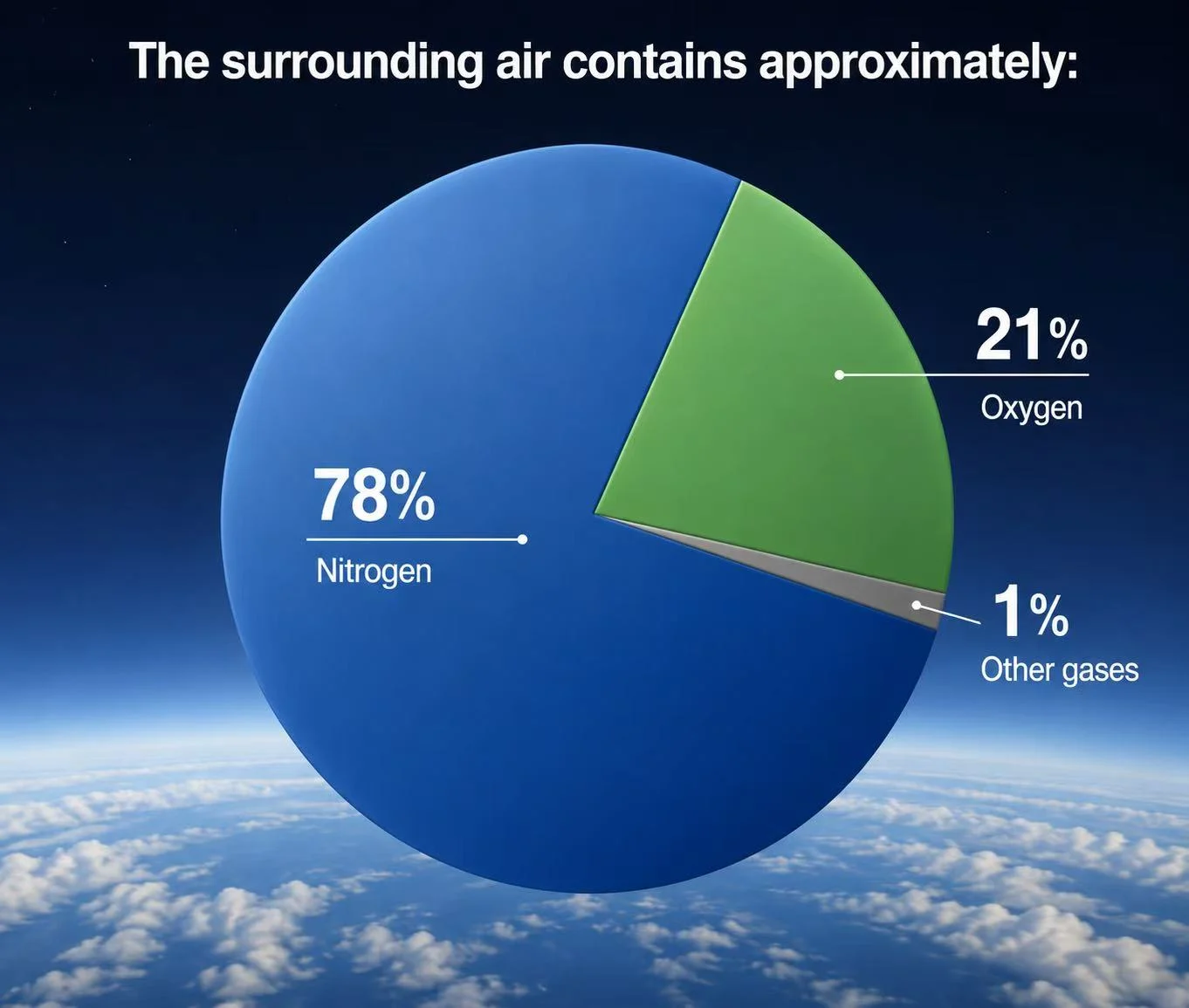
The surrounding air contains approximately:
- 78% Nitrogen
- 21% Oxygen
- 1% Other gases
An oxygen concentrator removes most of the nitrogen and delivers oxygen with a purity typically between 90% and 96%, depending on the model and flow rate.
This allows patients to receive supplemental oxygen without needing heavy oxygen tanks.
Who Needs an Oxygen Concentrator?
Doctors commonly prescribe oxygen therapy for people whose blood oxygen levels remain consistently low.
Conditions that may require oxygen therapy include:
- Chronic Obstructive Pulmonary Disease (COPD)
- Pulmonary Fibrosis
- Interstitial Lung Disease (ILD)
- Severe Asthma
- Pneumonia Recovery
- Congestive Heart Failure
- Pulmonary Hypertension
- Sleep-related breathing disorders
- Long COVID with persistent hypoxemia
Some people only need oxygen during exercise or sleep, while others may require continuous oxygen therapy.
Always follow your healthcare provider’s prescription regarding oxygen flow rate and duration.

Continuous Flow vs Pulse Dose
One of the biggest differences between oxygen concentrators is how they deliver oxygen.
Continuous Flow
Continuous flow provides oxygen nonstop.
It is commonly prescribed for:
- Home oxygen therapy
- Nighttime use
- Higher oxygen requirements
- Patients using CPAP or BiPAP with supplemental oxygen
Advantages:
- Stable oxygen delivery
- Works during sleep
- Compatible with humidifiers
Pulse Dose
Pulse dose delivers oxygen only when it detects inhalation.
Advantages include:
- Longer battery life
- Smaller portable size
- Reduced oxygen waste
- Easier travel
Pulse-dose systems work well for many active users but may not be suitable for everyone, especially during sleep or for those with irregular breathing patterns.
You Might Want to Ask
Can You Use an Oxygen Concentrator All Day?
Yes.
Most modern oxygen concentrators are designed for long-term daily use.
Many users wear oxygen for:
- 8 hours
- 12 hours
- 16 hours
- 24 hours per day
As long as the device is properly maintained and ventilation is not blocked, continuous operation is generally expected for models intended for long-duration use.
Choosing the Correct Oxygen Flow Rate
Never increase or decrease your oxygen flow without medical guidance.
A higher setting does not necessarily improve breathing and may not provide additional benefit if it exceeds your prescribed therapy.
Typical prescriptions range from:
Patient Type Typical Flow Rate
Mild oxygen support 1–2 L/min
Moderate support 2–4 L/min
Higher oxygen demand 5 L/min or more
| Patient Type | Typical Flow Rate |
| Mild oxygen support | 1–2 L/min |
| Moderate support | 2–4 L/min |
| Higher oxygen demand | 5 L/min or more |
How to Use an Oxygen Concentrator Correctly?
Using an oxygen concentrator properly helps maximize therapy effectiveness and prolongs equipment life.
Before Turning It On
- Place the unit on a stable, flat surface.
- Keep at least 12 inches (30 cm) of clearance around air vents.
- Ensure the filters are clean.
- Check that tubing is not kinked.
During Use
- Wear the nasal cannula correctly.
- Avoid pinching or twisting the tubing.
- Stay within the recommended tubing length.
- Monitor battery level when using a portable model outdoors.
After Use
- Turn off the device properly.
- Disconnect accessories if needed.
- Store it in a clean, dry location.
Safety Tips Every User Should Know
Although oxygen itself is not flammable, it supports combustion, meaning fires can spread much faster in oxygen-rich environments.
Follow these essential precautions:
- Never smoke while using oxygen.
- Stay away from open flames.
- Keep the concentrator away from gas stoves and candles.
- Avoid petroleum-based lotions around the nose.
- Keep ventilation openings unobstructed.
- Use only manufacturer-approved power supplies.
Good ventilation around the machine also helps prevent overheating and ensures stable oxygen production.
Cleaning and Maintenance
Routine maintenance keeps oxygen purity high and reduces the risk of equipment problems.
Daily
- Wipe the exterior with a soft cloth.
- Check tubing for damage.
Weekly
- Clean reusable air filters if your model requires it.
- Inspect the nasal cannula.
Monthly
- Check vents for dust buildup.
- Verify normal airflow.
Replace When Needed
- Air filters
- Nasal cannulas
- Batteries (portable units)
Traveling with a Portable Oxygen Concentrator
Portable oxygen concentrators are designed for mobility and can make travel much easier.
Before traveling:
- Fully charge all batteries.
- Carry backup batteries if needed.
- Pack the power adapter.
- Bring extra nasal cannulas.
- Confirm airline approval if flying.
- Check destination power voltage if traveling internationally.
Many portable oxygen concentrators are approved for commercial air travel, making them an excellent choice for active users.
Common Mistakes to Avoid
Many new users accidentally reduce the effectiveness of their oxygen therapy by making simple mistakes.
Avoid these common errors:
- Changing oxygen settings without medical advice.
- Blocking air intake vents.
- Forgetting to clean filters.
- Using damaged tubing.
- Allowing batteries to discharge completely before charging.
- Storing the concentrator in dusty or humid environments.
- Ignoring maintenance reminders.
Proper care helps ensure reliable performance for years.
Does a portable oxygen concentrator produce pure oxygen?
No. Most oxygen concentrators produce oxygen with a purity of approximately 90%–96%, rather than 100%. Of course, there are also specialized oxygen concentrators designed for low-concentration oxygen therapy, delivering a concentration of only around 30%.
Is oxygen therapy addictive?
No. Oxygen therapy is not addictive. It supplies oxygen when your body cannot obtain enough on its own and should be used according to your healthcare provider’s prescription.